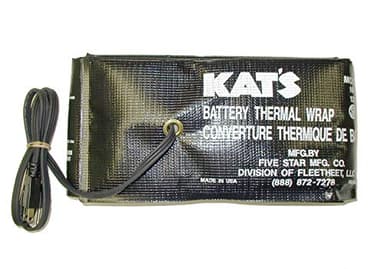
80 watts on a timer keeps the battery warm enough to crank like it's October. Cheapest cold-start insurance there is.
Read full review
~$35 typical price
Buy on AmazonUse-case guide · 2026
At -20°F the rules change. Batteries deliver half their power, oil turns to syrup, rubber seals freeze, fuel can gel, and the margin for a roadside wait goes from uncomfortable to life-threatening in under an hour. The prep list for real cold is about heat — for the battery, the engine, and the people — and about a jump starter that's been kept warm enough to do its job.
We may earn a commission from Amazon links on this page — at no extra cost to you. How this works
Battery at −20°F
~50% of warm cranking power
Must-haves
Battery blanket or engine heater, 2,000A+ pack kept in the cabin, wool blanket
Not sure what else you need? Build your personalized winter checklist →
80 watts on a timer keeps the battery warm enough to crank like it's October. Cheapest cold-start insurance there is.
~$35 typical price
Buy on Amazon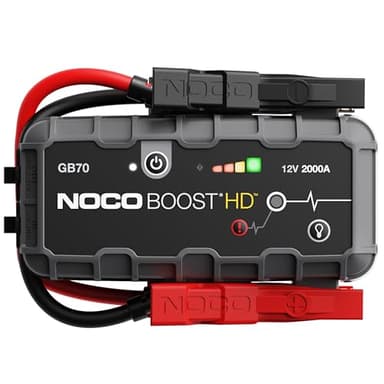
Headroom is the point in deep cold: a 2,000A pack that's been kept warm starts a cold V6 or V8 when a 1,000A one hesitates. Diesels: GBX155.
~$200 typical price
Buy on Amazon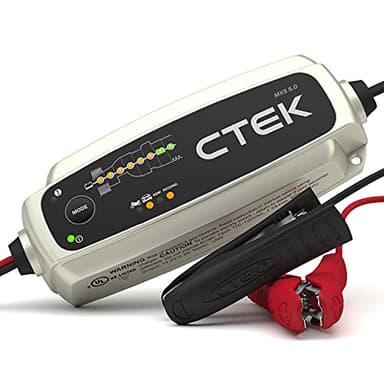
The cold/AGM mode raises voltage for sub-freezing charging so a battery in an outdoor-parked car actually reaches full.
~$100 typical price
Buy on Amazon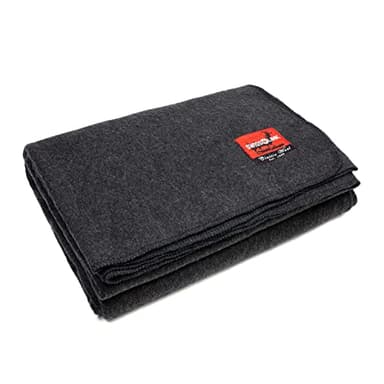
Wool insulates when damp and won't melt near a candle or heater. Pair it with mylar and hand warmers.
~$59 typical price
Buy on AmazonThey work, but at reduced output — lithium chemistry loses capacity as it gets cold, and NOCO rates its packs to -4°F. The fix is to keep the pack in the cabin or bring it indoors overnight, and to buy a size up (2,000A for a V6, 4,000A-class for a diesel) for margin.
A battery blanket warms the battery so it delivers its rated amps; a block or oil-pan heater warms the engine so it's easier to turn. Four-cylinders with a good battery usually need only the blanket; V8s and diesels at -20°F and below want both, on the same outdoor timer.