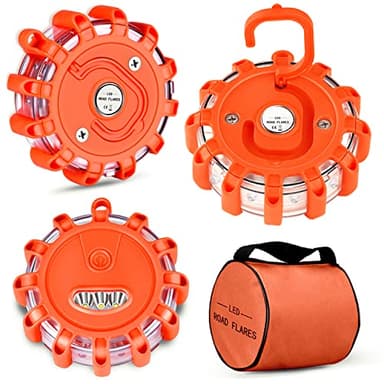
Flashing LEDs that run for hours, stick to the car, and won't ignite a fuel leak. Set three out in a line behind the car.
Read full review
~$18 typical price
Buy on AmazonUse-case guide · 2026
Forty miles of two-lane in the dark, a plow that came through hours ago, cell coverage that fades in the valleys — the rural commuter's winter risk isn't getting stuck in a parking lot, it's being stopped on a shoulder a long way from help. The gear list leans toward visibility and warmth: being seen by the next vehicle, staying warm for the hour-plus it might take, and fixing the common failures yourself.
We may earn a commission from Amazon links on this page — at no extra cost to you. How this works
Plan for
A 1–2 hour wait, in the dark, in the cold
Must-haves
Flares, wool blanket, jump starter, beam wipers + fluid
Not sure what else you need? Build your personalized winter checklist →
Flashing LEDs that run for hours, stick to the car, and won't ignite a fuel leak. Set three out in a line behind the car.
~$18 typical price
Buy on Amazon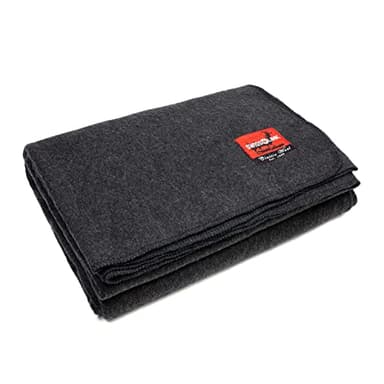
Heavy wool insulates even when damp and outlasts the car. The piece that makes an hour on the shoulder a story instead of an emergency.
~$59 typical price
Buy on Amazon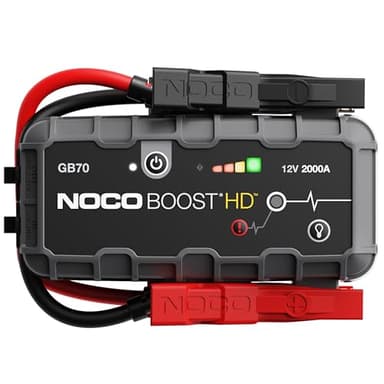
Headroom for a cold V6 or V8 and a bright light; the 12V port runs an inflator for the slow leak you noticed at the last gas station.
~$200 typical price
Buy on Amazon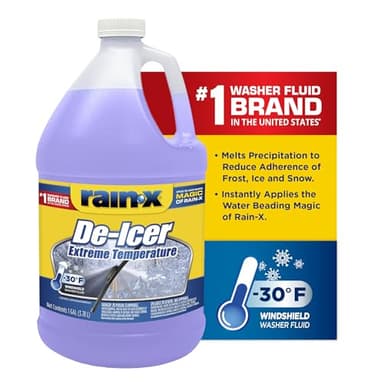
Rated to -30°F so the spray works in the salt storm; keep a spare jug in the trunk because a long commute burns through it.
~$15 typical price
Buy on AmazonAt least 100 feet on a highway, and more — 200 to 300 feet — if there's a hill or curve between you and oncoming traffic. Space multiple flares so drivers get several seconds of warning at speed.
On a highway, get out and behind the guardrail if there is one and it's safe to do so — cars on shoulders get hit. On a quiet rural road in deep cold, the car is shelter; stay in it, belted, with flares out and the tailpipe clear if you idle for heat.