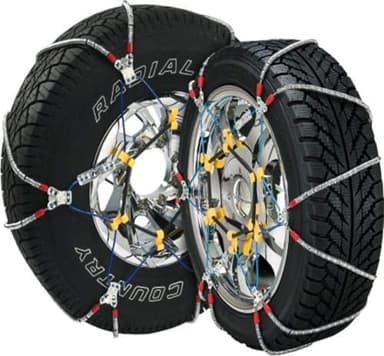
Class S cable chains that fit most cars and crossovers, install fast at a cold pull-out, and satisfy chain controls. Mountain regulars on real ice: step up to the König XG-12 Pro.
Read full review
~$81 typical price
Buy on AmazonUse-case guide · 2026
Mountain driving in winter is where chain laws, steep grades, and sudden whiteouts meet cars that were prepared for a city. The rules are simple: chains or approved traction devices in the car, sized to your tires, and practiced once at home; winter tires if you make the trip often; and the assumption that a closure could keep you on the pass for hours. Everything else follows from those three.
We may earn a commission from Amazon links on this page — at no extra cost to you. How this works
Chain law basics
Carry them · fit at the posted level · ~30 mph max
Must-haves
Chains/socks sized to your tires, boards, blanket
Not sure what else you need? Build your personalized winter checklist →
Class S cable chains that fit most cars and crossovers, install fast at a cold pull-out, and satisfy chain controls. Mountain regulars on real ice: step up to the König XG-12 Pro.
~$81 typical price
Buy on Amazon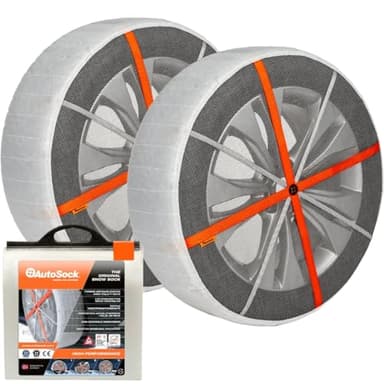
Fabric traction covers that fit zero-clearance cars and go on in two minutes. Accepted as an alternative traction device in California and many other places — verify your state.
~$121 typical price
Buy on Amazon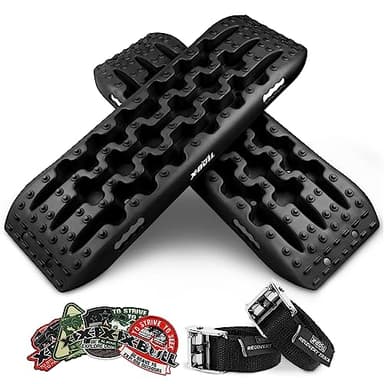
The fastest way out of a plowed-in parking spot or a berm. Dig the tire face, wedge, ease on.
~$70 typical price
Buy on Amazon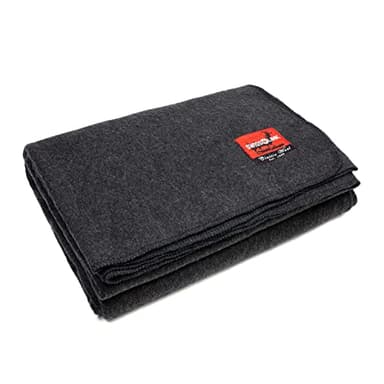
Hours stopped on a pass with the engine off is a real scenario. A heavy wool blanket is the piece that makes it boring instead of dangerous.
~$59 typical price
Buy on AmazonIn many places, yes — AutoSock is approved by Caltrans as an alternative traction device and accepted in a number of other states. But rules differ by state and sometimes by pass, and some jurisdictions still require steel chains at the highest level. Check your state's DOT before relying on them.
About 30 mph maximum, and slower on cables and snow socks. Faster wears them out, throws them, and can damage the car. Remove them as soon as you're back on bare pavement.